What Your Bidirectional Meter Is Actually Telling You
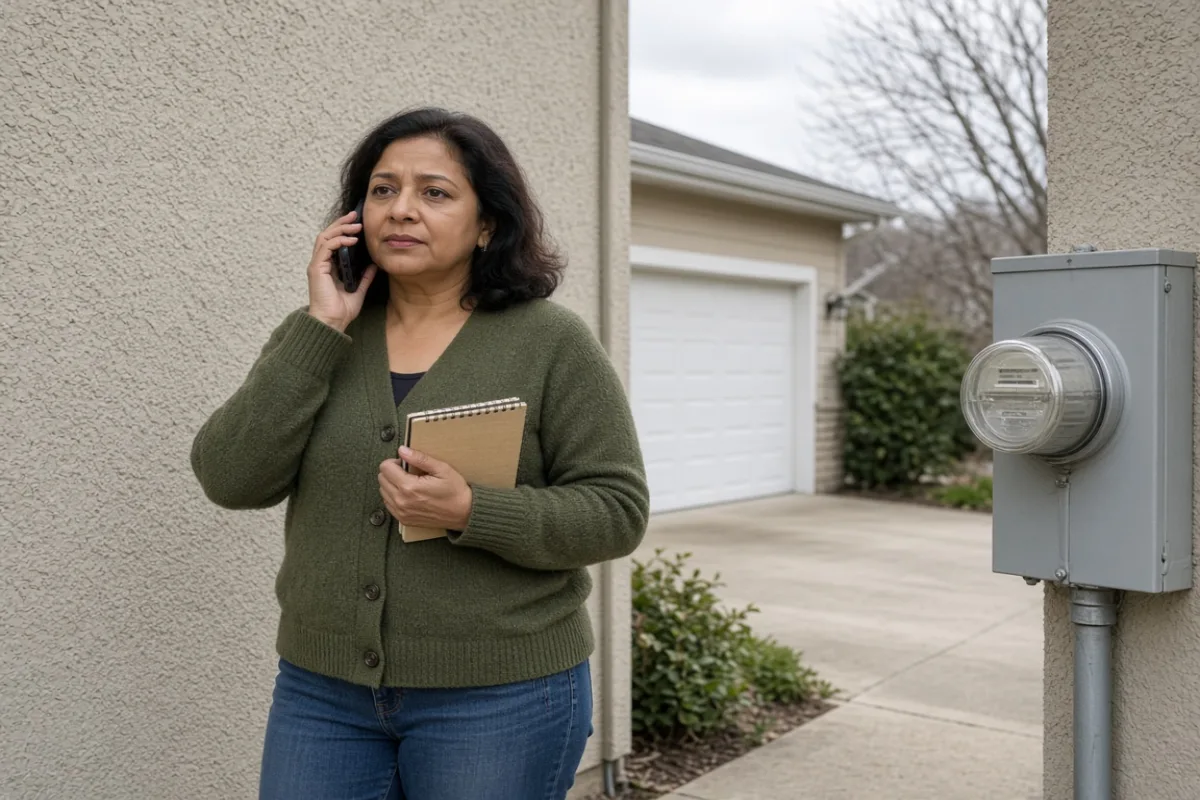
The glass box beside your garage has two registers that climb at different speeds, and most activation packets mention them once before leaving you alone on a drizzly morning when the import side ticks up while the roof barely produces.
Two Registers, Not a Scoreboard
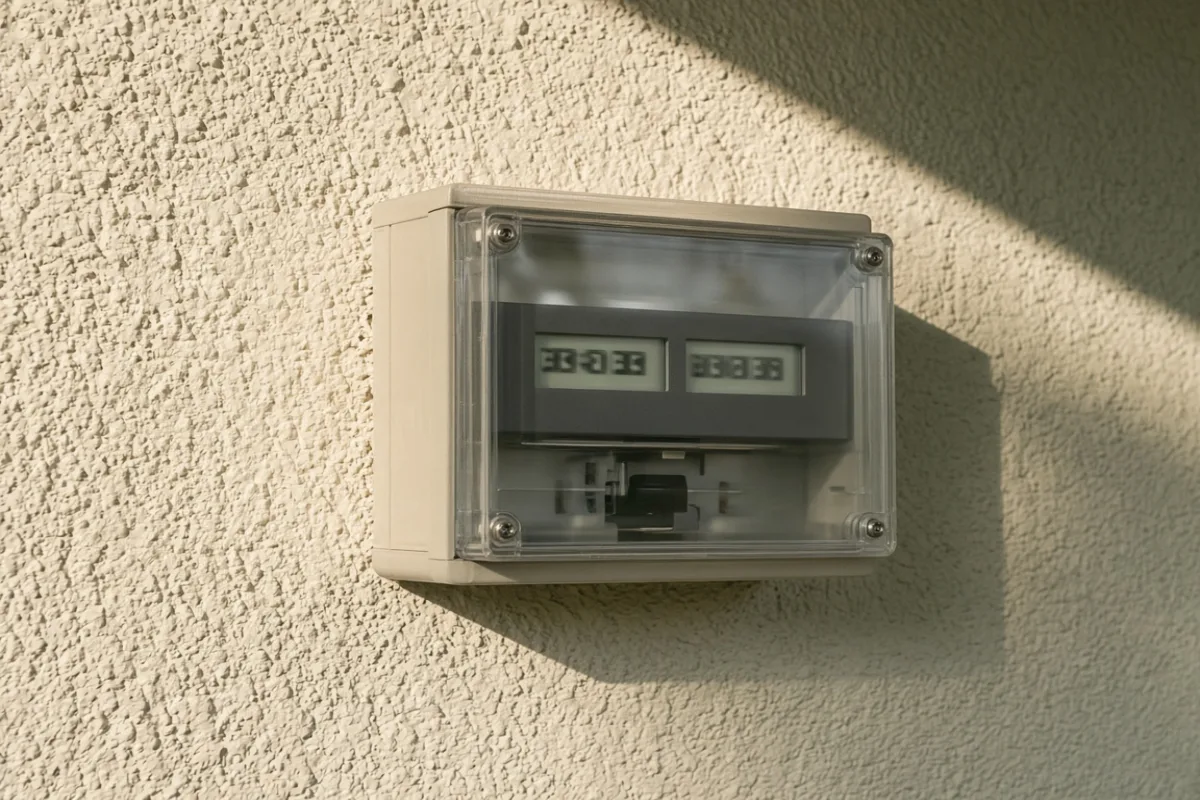
Import counts kilowatt-hours pulled from the grid when the house needs more than the roof supplies at that moment. Export counts surplus sent outward when production exceeds immediate use. Both numbers can rise on the same afternoon — a cloud passes, the dryer kicks on, and you draw from the grid while earlier surplus still sits recorded on the export register from the sunny hour before.
Treating export like a winning tally and import like a penalty breaks down fast. The meter records flow, not whether you timed laundry well. Before you log anything, identify which window is which on your unit. Some meters toggle a single display; others show two fixed fields. A labeled photo beats memory when you describe readings over the phone later.
A Seven-Day Log That Stays Useful
Hourly obsession helps less than a steady daily snapshot. Pick one routine moment — after breakfast, before the commute — and write both numbers with the weekday label. Meters aggregate differently from apps, so do not expect your phone graph to match register movement line for line.
- Photograph the meter face once, circling import and export labels in the image notes.
- Record both registers at the same time each day for seven consecutive days.
- Note weather in one word — clear, overcast, rain — without rewriting your habits column.
- On the seventh day, compare total movement rather than any single jump.
A sunny stretch typically widens the gap: export moves faster while import stalls. A grey week often does the opposite. That rhythm is seasonal, not proof of a fault.
Patterns That Usually Mean All Is Well
First-year anxiety often comes from watching one register climb on a quiet day. These situations look alarming but commonly reflect ordinary household timing:
- Import rises on overcast days even when nobody changed the thermostat or added a new appliance.
- Export jumps on clear weekends when nobody is home to use midday production.
- Both registers move slowly overnight because baseline loads — fridge, router, standby devices — never stop.
- Evening import spikes when cooking and lighting overlap with fading solar output.
The meter tells you where energy went, not whether you timed it well. A climbing import line on a rainy Tuesday is often weather doing its job, not your system failing its job.
When the Rhythm Breaks Enough to Act
Not every anomaly deserves a service call, but some breaks in pattern are worth documenting before you dial anyone. Compare your week against these signals:
- Export stays flat through multiple clear days while neighbors report normal production on similar roofs.
- Import accelerates sharply without a matching change in weather or household load.
- One register freezes entirely while the other still moves — a stuck display differs from slow movement.
- Physical damage, moisture inside the glass, or a blank screen after storms.
Write down the last seven daily readings and bring the labeled photo. That packet shortens most first calls because it separates a billing-format question from a hardware silence issue.
What the Meter Cannot Answer
Registers measure flow at the service entrance. They do not show delivery fees, minimum service charges, or how your utility reconciles credits on the monthly statement. Pair meter notes with bill line items — they answer different questions, and conflating them is how first-year homeowners decide the hardware is wrong when the document format is simply unfamiliar.